Business of Freelancing
Why 6–12 hour websites are the future of freelance web design
The six-week website is a relic of an era when pixels were pushed by hand. A case for delivering in daylight, and what that asks of the person doing the delivering.
Iftekhar Newaz · 2 June 2026 · 7 min read
Ask a founder what they remember about their last website project and they won't describe the design. They'll describe the waiting. The two weeks of silence after the kickoff call. The invoice that arrived before the homepage did. The Figma link that expired before anyone approved it. The industry has normalised a rhythm where thinking happens in private and the client sees three snapshots of it, weeks apart, each one too expensive to reject.
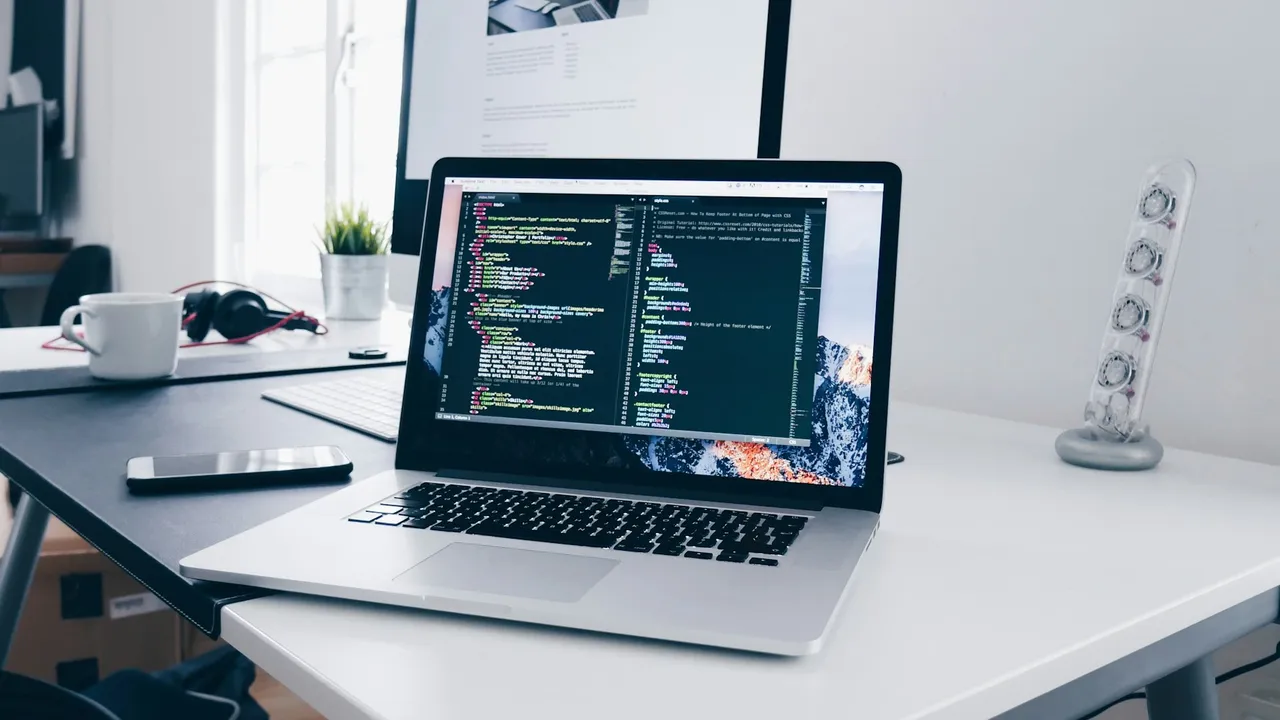
Northcave runs on a different clock. You get a working first draft within 6–12 hours of a brief, free, before any money moves. Not a moodboard. Not a wireframe. A deployed page you can send to your co-founder tonight. It's not a stunt. It's a bet about where the craft is going, and it changes almost everything about how a studio has to operate.
Speed is a design constraint, not a discount
The obvious objection: fast means sloppy. That's true when speed comes from skipping steps. It's false when speed comes from collapsing the distance between a decision and the thing itself. A senior designer working alone, with a mature component vocabulary, modern tooling and AI-augmented production, doesn't skip the thinking. They skip the theatre around the thinking. The status meetings, the handoff documents, the three rounds of internal review before the client sees anything: none of that ever improved a website. It insulated agencies from clients.
The first draft is not the product. The first draft is the conversation, made of pixels instead of adjectives.
A brief is always underspecified. Clients say 'clean and modern' and mean fourteen different things. You can spend a week interrogating the phrase, or you can spend a morning building one honest interpretation of it and let the client react to something real. Reaction is data. Adjectives are noise. The draft-first model front-loads the most valuable moment of any project, the moment the client sees their business rendered by someone else's taste, and makes it nearly free.
What it demands
- A component vocabulary you've earned. You can't design from zero in six hours. You can compose from a system you've spent years refining, and break it on purpose where the brief deserves it.
- Senior judgment, undiluted. Draft speed dies in committees. People who have shipped enough sites to make forty small decisions per hour without escalating any of them.
- Production tooling that keeps up: modern frameworks, deployment that takes minutes, AI where it multiplies output without flattening taste.
- The nerve to show unfinished thinking. A 10-hour draft has rough edges. The model works because clients forgive roughness in something they received the same day. They never forgive blandness they waited a month for.
Why free
Because the economics finally allow it. When a draft costs a studio one focused morning instead of a fortnight of team time, giving it away becomes the cheapest client-acquisition instrument ever invented. The client risks nothing, which means cold outreach converts strangers instead of only referrals. And the discipline cuts both ways. A studio that has to earn the project after the draft can never coast on a signed contract.
The six-week website will survive where it belongs: in enterprise procurement, in projects with real research phases, in platforms too heavy for daylight delivery. But the founder who needs a credible, beautiful, fast website this week? That market belongs to whoever can ship while the coffee is still warm. We intend to be first in line.
Iftekhar Newaz
Founder of Northcave Studio. Carves websites in Dhaka daylight for founders everywhere.